A director’s future goes up in flames
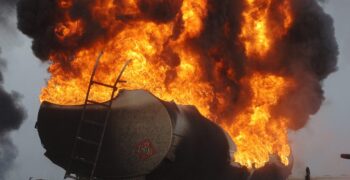
6 December 2017The company director of Oil Tech International Pty Ltd could be fined $600,000 or jailed for five years after a worker was engulfed in flames and killed.
The company director of Oil Tech International Pty Ltd could be fined $600,000 or jailed for five years after a worker was engulfed in flames and killed.
This 2009 case concerns a labour hire company, host employer, and employee engaged as a labourer. Mr Christopher Papadopoulos (Worker) sustained an injury to his lower back during the course of his employment with labour hire company, MC Labour Hire Service Pty Ltd (Employer). The Worker took time off work for surgery and recovery. His Employer did not follow proper procedures in reporting the injury, however, and chose not to refer his Workcover claim to the Insurer despite requirements to do so, pursuant to the provisions of the Accident Compensation Act 1985 (Vic).
The Fair Work Commission has stressed the importance of obtaining proper medical information when determining a worker’s capacity for work in its recent decision in an unfair dismissal claim.
Assuming that compliance equals bureaucracy is just one of the five main mistakes employers are making when it comes to workplace safety, says Occupational Health and Safety Services lawyer Alena Titterton, Clyde & Co Partner.
Drugs and alcohol in the workplace present a complex issue for employers. Recent cases reinforce the importance of setting appropriate workplace policies and procedures when dealing with the subject, and also reflect the inherent difficulties in enforcing the standards that employers set.
The bids of Health Services Union and Australian Nursing and Midwifery Federation to stop Dorevitch Pathology from asking its employees to agree to a new enterprise agreement was dismissed by the Federal Court last month.
Fair Work Commission members have suggested that a New South Wales pilot program with the intention of accelerating unfair dismissal claims has generated a rise in reinstatements.
QLD controversial Work Health and Safety and Other Legislation Amendment Bill 2017 passed parliament last month, but not without the incorporation of explicit amendments.
On 1 December 2017 new regulations come into effect throughout New Zealand, which dictate the way businesses must manage hazardous substances. The New Zealand Health and Safety at Work (Hazardous Substances) Regulations 2017 concern the handling, storage and disposal of the substances and include measures designed to protect the safety of those who work with them.
The City of Salisbury construction maintenance employee was required to undergo a random drug test in the middle of his shift. The worker claimed he slipped and injured his left shoulder in a toilet just prior to entering the drug testing centre.
An employee successfully recovered workers’ compensation payments from a driver who crashed and caused serious neck and shoulder injuries to the worker, her colleague and passenger.
A police officer has sought workers’ compensation for stress and depression after being “targeted” by senior police officers, and wrongfully accused of criminal activities.